What's the Best Underlayment for LVP Flooring?
When LVP needs underlayment and when it doesn't, the four common types compared on cost and performance, and what to use over concrete vs. plywood subfloors.
Short answer: if your LVP has an attached IXPE or EVA pad, you usually don''t add another underlayment — but you may still need a vapor barrier on concrete. If it doesn''t, a 1.0–1.5mm IXPE or cork underlayment is the safest default. The one universal rule: never double up. Stacking a second pad under a plank that already has one is the most common warranty-voiding mistake we see.
First question: does your LVP already have an attached pad?
Most premium SPC at 7mm and above ships with an attached IXPE foam pad bonded to the back. Most budget LVP at 4–5mm does not. Check the actual spec sheet, not the marketing page — "comfort underfoot" copy doesn''t mean there''s a pad.
If the plank has an attached pad, the manufacturer has already engineered the floor system to a specific compression value. Adding another layer of foam underneath means the click joint sits on too much give — every footstep flexes the joint, and within 6–12 months you''ll see seam separation, peaking, or hollow spots. The warranty is void and the only fix is pulling the floor.
The four types of LVP underlayment
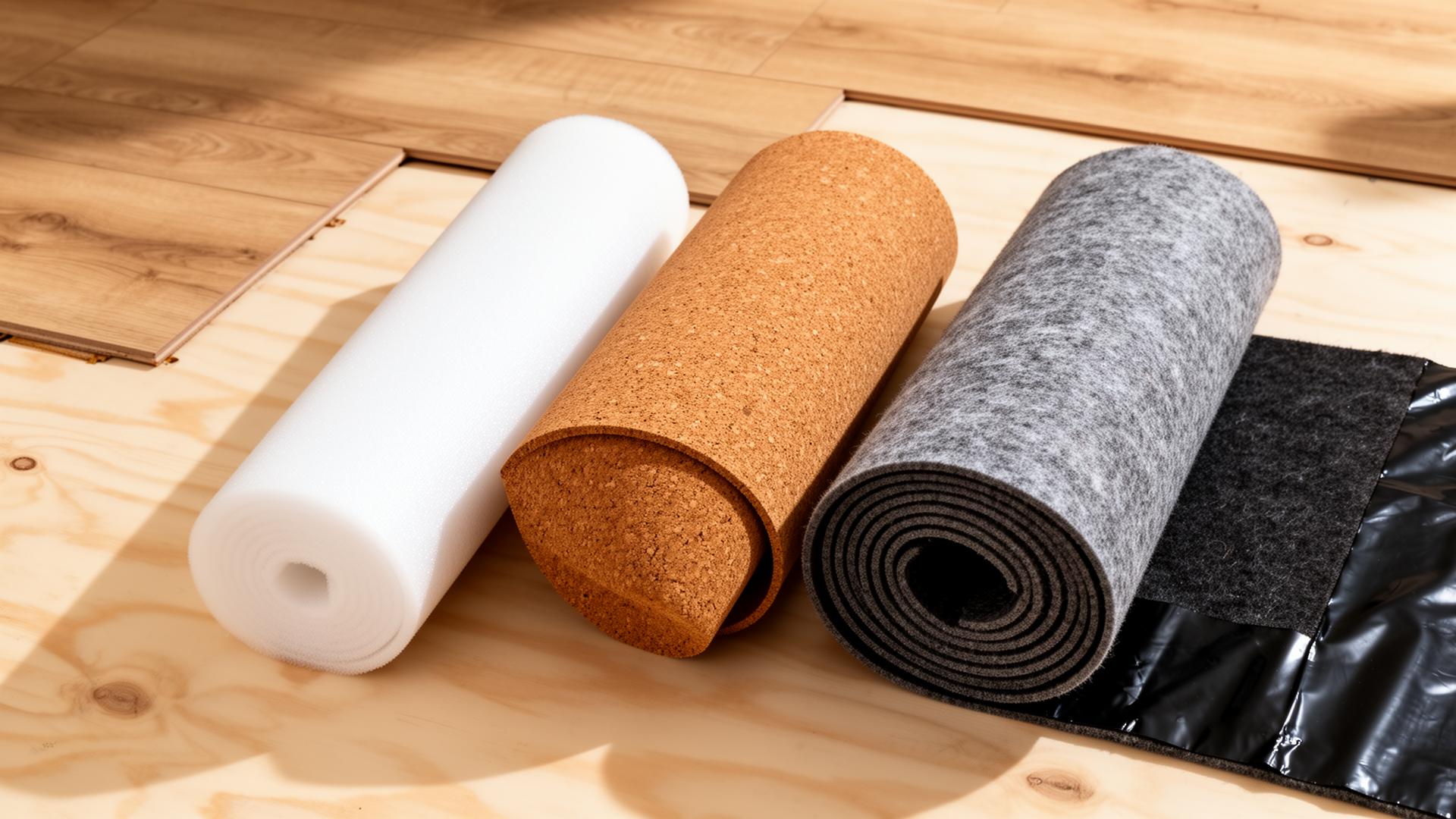
- IXPE foam (1.0–1.5mm) — the modern default. Cross-linked polyethylene, doesn''t off-gas, mild sound dampening, thin enough that it doesn''t compromise click joints. Cost: $0.20–$0.40/sf. Best for: most wood-subfloor installs without an attached pad.
- Cork (3mm or 6mm) — premium acoustic option, naturally antimicrobial, recyclable. Significantly better IIC sound rating. Cost: $0.60–$1.20/sf. Best for: condos with HOA sound requirements, second-floor master bedrooms over a quiet room below.
- Felt with vapor barrier (2mm) — dense recycled felt with a poly film bottom layer. Decent acoustics, built-in moisture protection in one roll. Cost: $0.30–$0.50/sf. Best for: concrete slabs on grade.
- Standard foam (2–3mm) — the generic roll at the big-box store. Avoid for LVP. Too soft, lets click joints flex and fail. Fine for laminate, wrong for LVP.
Underlayment by subfloor type
| Subfloor | Recommended underlayment |
|---|---|
| Plywood / OSB, above grade | IXPE if no attached pad; nothing if attached pad |
| Plywood / OSB, over crawlspace | IXPE + 6-mil poly vapor barrier |
| Concrete slab, on grade | Felt-with-vapor-barrier OR IXPE + 6-mil poly |
| Concrete slab, below grade (basement) | Felt-with-vapor-barrier, or moisture-mitigation membrane + IXPE if test fails |
| Radiant heat | Manufacturer-approved only — most cork is out; specialty radiant-rated foam is in |
For the slab moisture testing that decides which of the concrete options is appropriate, see LVP in basements and wet areas. For the broader subfloor readiness picture, see is my subfloor ready for LVP and how to prepare a subfloor for LVP.
Sound ratings (STC/IIC) — what condos actually require
Most condo HOAs require an IIC (impact insulation class) of 50 or higher for hard-surface flooring on upper-floor units. A bare floating LVP with attached pad usually tests at IIC 50–55 over a 6" concrete slab assembly. Add a 3mm cork underlayment and the same system can hit IIC 60–70.
One trap to avoid: sound ratings are not additive. An IXPE pad rated IIC 55 plus a cork pad rated IIC 60 is not IIC 115 — it''s whatever the combined system tests at, which is often barely better than the cork alone. If your HOA requires a specific rating, ask the manufacturer for the tested system value with the exact underlayment you''re planning to use, and save the spec sheet for the HOA file.
The biggest underlayment mistake: doubling up
This is the single most common warranty-voider in DIY LVP installs. The plank already has an attached pad, the homeowner rolls out a fresh layer of foam on top of the subfloor "for extra cushion," and the floor goes down on top.
Symptoms show up in 6–12 months: clicks separating, planks peaking at the seams, hollow spots underfoot, click joints visibly chipping when a plank is lifted. There is no cosmetic fix — the floor has to come up. If the plank says it has an attached pad, the subfloor gets a vapor barrier only (if needed), nothing else. See common LVP installation mistakes for the rest of the avoid-list.
Cost summary
For a typical 1,000 sf project, the underlayment line item is small compared to the floor — don''t over-spec it (sound) or under-spec it (vapor):
- No underlayment (attached pad): $0
- IXPE: $250–$400
- Felt with vapor barrier: $350–$500
- Cork 3mm: $650–$1,000
For full-project cost context, see how much it costs to install laminate vs LVP.
How TRU Installation specs underlayment
Every TRU quote writes the exact underlayment SKU and quantity into the line items, including any vapor barrier or moisture-mitigation membrane required by the slab moisture test from the on-site measurement. No guessing, no "underlayment as needed" add-ons billed at the end.
Build a self-serve estimate on our pricing page, or book an on-site measurement and we''ll spec the right underlayment for your subfloor.
Know your flooring cost in 60 seconds.
Use our published rates to get an itemized estimate — no phone calls, no sales pressure.
Keep reading
All articles →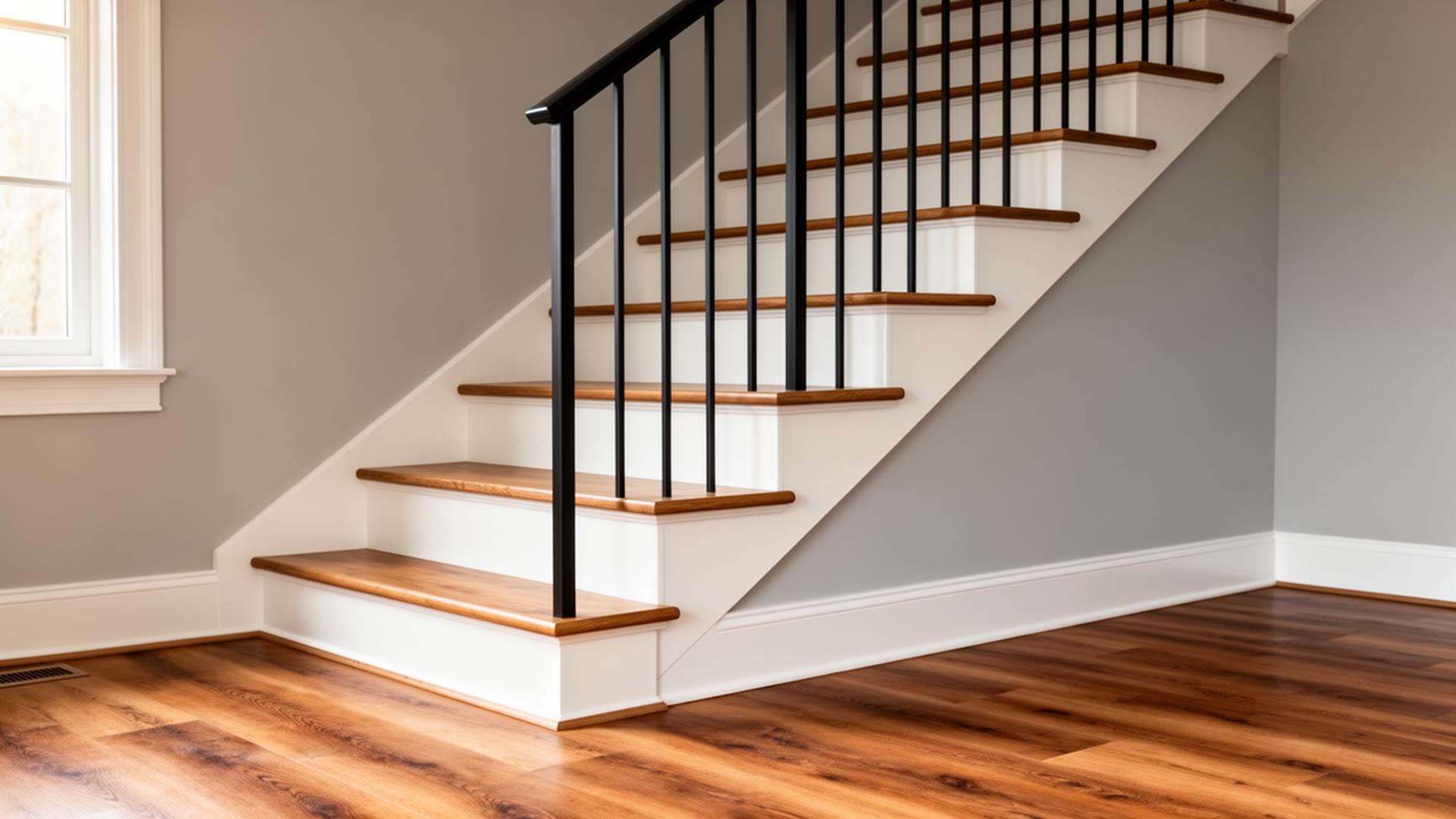
Can LVP Be Installed on Stairs?
Yes — LVP works on stairs, but it must be glued down, paired with matching stair-nose molding, and installed on a solid sub-tread. Here's what it really costs and what to watch out for.
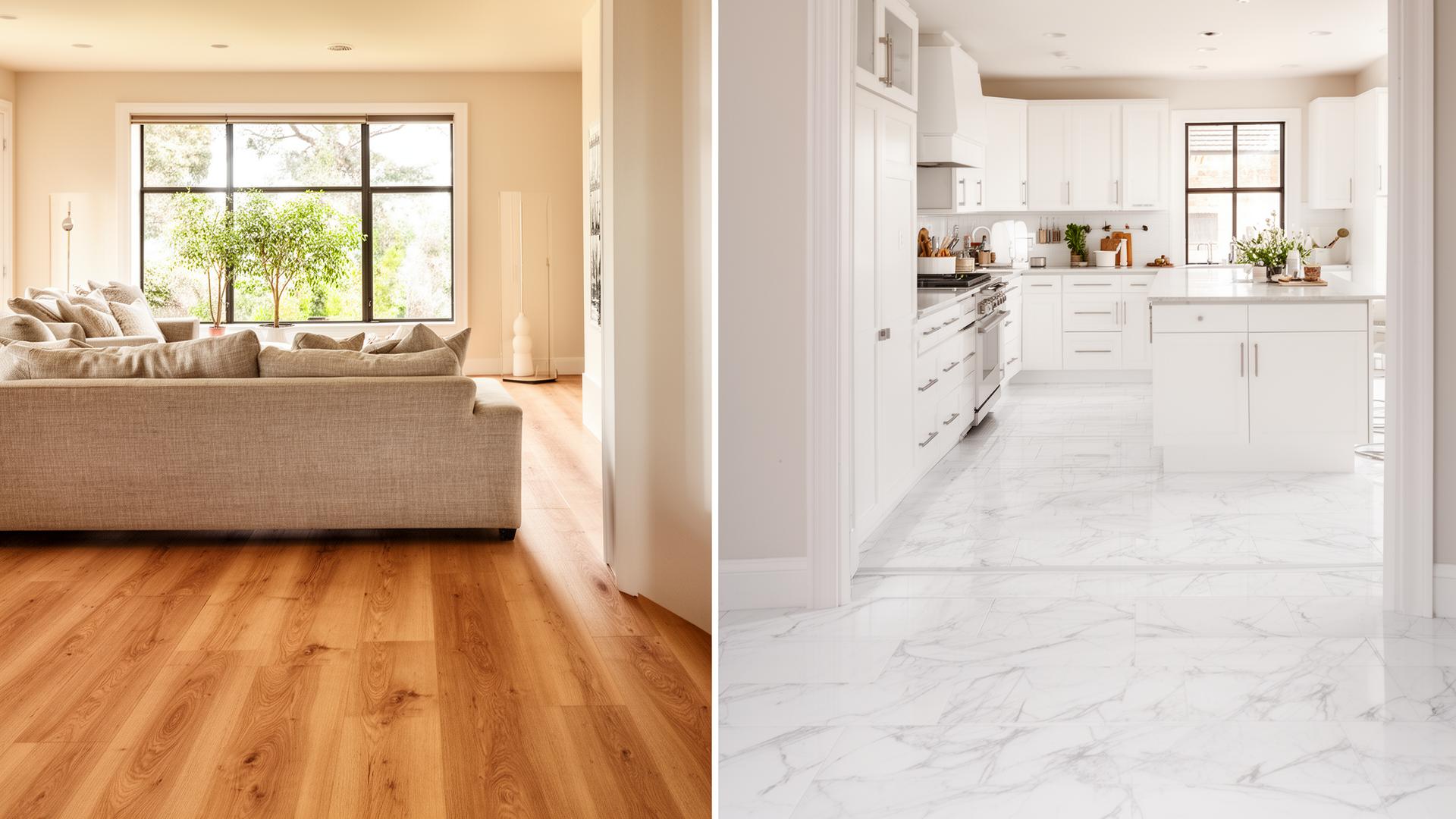
How Do I Choose Between Wood-Look and Stone-Look LVP?
A homeowner's decision guide for picking wood-look vs stone-look LVP — which visual works best in each room, what affects resale, and how to mix the two cleanly.
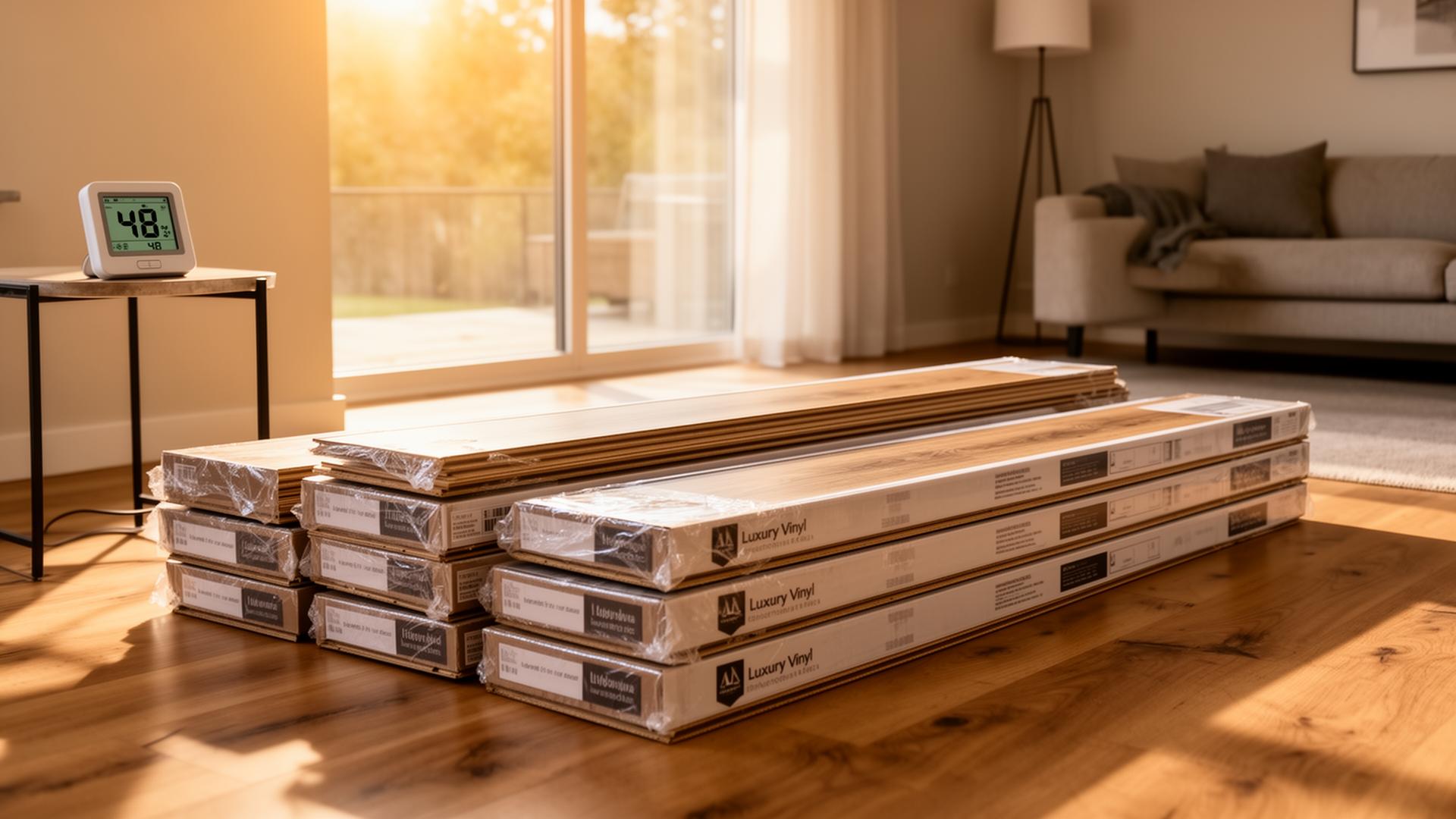
Should I Acclimate LVP Before Installation?
Yes — but not for the reasons you think. Here's what manufacturers actually require, how long acclimation takes, and what really happens if you skip it.